

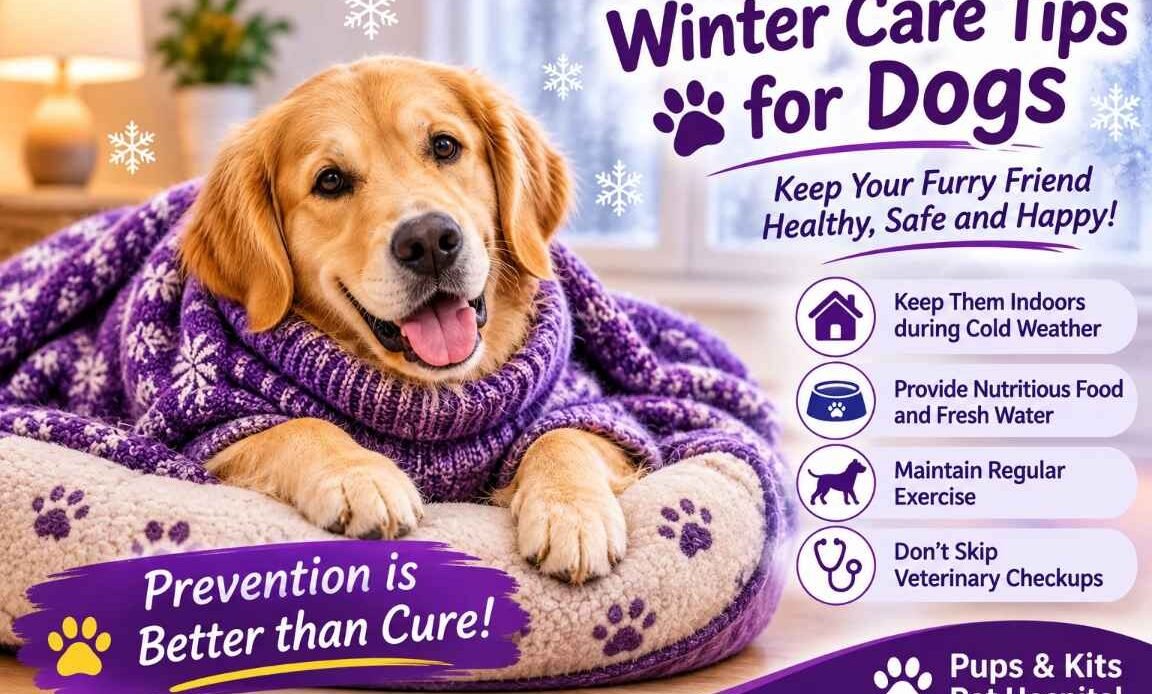
As winter approaches, it is important to take a few precautionary measures to keep your dog healthy, safe and comfortable. After all, prevention is always better than cure!
In this blog, we will discuss some essential winter care precautions every dog owner should follow, along with common signs and symptoms of potential health problems that you should never ignore. Identifying these warning signs early can help prevent complications and ensure timely veterinary care.
While many preventive measures can be taken at home, staying in touch with your veterinarian is equally important to ensure your dog’s health and well-being throughout the winter season.
Keep Your Dog Indoors During Cold Weather
Dogs should sleep inside the house during cold weather. Avoid leaving them outside overnight, especially when temperatures drop. Provide a warm, dry and comfortable sleeping area, away from cold floors, drafts and damp places.
Maintain a Nutritious Diet and Proper Hydration
A balanced diet containing adequate protein, healthy fats, vitamins and minerals helps maintain your dog’s overall health during winter.
- 1. Continue feeding high-quality, nutritionally balanced dog food.
- 2. Provide fresh, clean drinking water throughout the day.
- 3. Use a clean, plastic bowl and check that the water is not too cold.
- 4. Continue vitamin supplements only if recommended by your veterinarian.
- 5. Consult a vet before introducing new supplements or changing your dog’s diet.
You can also visit Pups & Kits Pet Hospital for a health checkup to determine whether your dog needs any nutritional supplements.
Maintain Regular Exercise
Regular physical activity is important even during winter. Avoid reducing your dog’s exercise routine unnecessarily.
- 1. Take your dog for walks during warmer afternoon hours.
- 2. Prefer shorter walks if the weather is particularly cold.
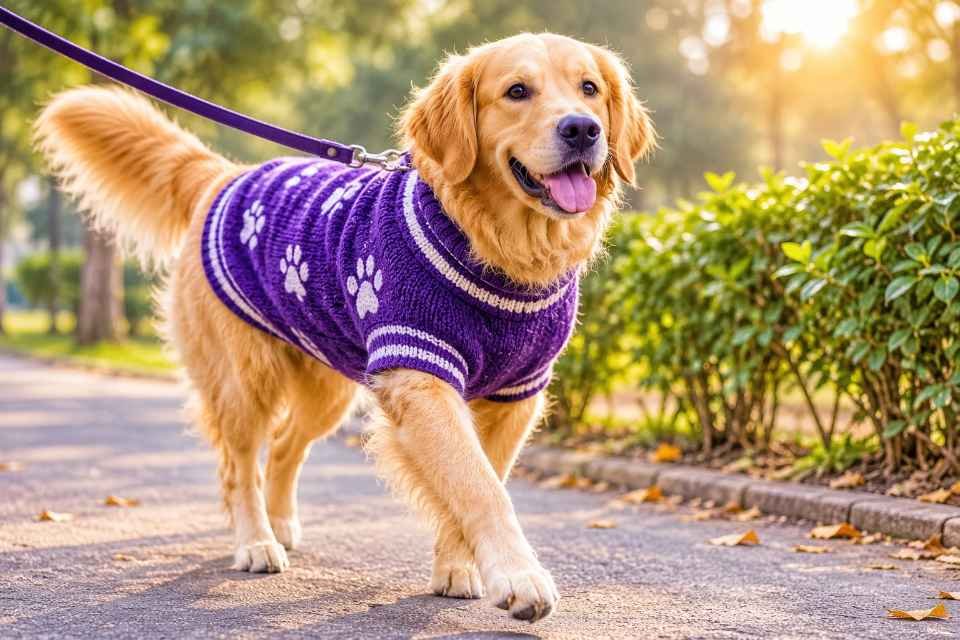
- 3. Keep senior dogs and short-haired breeds warm with suitable sweaters.
- 4. Avoid leaving your dog outdoors for unnecessarily long periods.
- 5. Adjust exercise according to your dog’s age, breed and health condition.
Don’t Skip Regular Veterinary Checkups
Winter can make certain health problems more noticeable, particularly in senior dogs and pets with existing medical conditions.
Regular veterinary checkups help identify early signs of illness, skin problems, joint discomfort and other health concerns. Consult your veterinarian if you notice unusual behaviour, persistent coughing, reduced appetite or lethargy.
Take Extra Care of Puppies and Senior Dogs
Puppies, older dogs and dogs with thin coats may be more sensitive to cold temperatures.
- 1. Provide warm bedding and comfortable sleeping arrangements.
- 2. Use appropriate winter clothing when necessary.
- 3. Avoid exposing them to cold weather for extended periods.
- 4. Monitor senior dogs for joint stiffness and difficulty walking.
Pay Attention to Skin and Coat Care
Cold weather can sometimes contribute to dry, itchy skin in dogs.
- 1. Brush your dog’s coat regularly to remove loose hair and prevent matting.
- 2. Avoid excessive bathing during winter.
- 3. Use a mild, veterinarian-recommended dog shampoo.
- 4. Watch for redness, itching, dandruff or unusual hair loss.
Protect Your Dog’s Paws
- 1. Check paws regularly for cracks, dryness or irritation.
- 2. Clean and dry paws after outdoor walks.
- 3. Consider protective dog boots if your dog tolerates them.
- 4. Avoid walking on excessively cold or rough surfaces.
Be Careful with Room Heaters and Electric Blankets
Keeping your dog warm is important, but certain heating methods can be dangerous.
- 1. Keep dogs away from direct contact with room heaters.
- 2. Never leave electric blankets unattended with your dog.
- 3. Provide enough distance from heating equipment.
- 4. Make sure your dog can move away from the heat whenever it feels uncomfortable.
Watch for Signs of Cold-Related Health Problems
Pet owners should pay attention to unusual behaviour during winter.
Some warning signs include:
- 1. Persistent shivering.
- 2. Unusual tiredness or weakness.
- 3. Reduced appetite.
- 4. Coughing or breathing difficulties.
- 5. Unusual stiffness or reluctance to walk.
If you notice these symptoms, consult a veterinarian promptly. Severe weakness, breathing difficulty or suspected hypothermia requires immediate veterinary attention.
Maintain Vaccination and Preventive Healthcare
Winter is not a reason to delay your dog’s vaccination or preventive healthcare schedule.
- 1. Follow the recommended vaccination schedule.
- 2. Keep up with deworming as advised by your veterinarian.
- 3. Discuss parasite prevention and other routine healthcare needs.
- 4. Maintain a record of vaccinations and health checkups.
Winter Care FAQs for Dogs
Not necessarily. Continue providing a balanced and nutritious diet according to your dog’s age, breed, weight and activity level. Consult your veterinarian before increasing food portions or introducing supplements.
Cold weather may make joint stiffness and discomfort more noticeable, particularly in senior dogs and dogs with arthritis. Maintain gentle exercise and consult a veterinarian if your dog shows difficulty walking or getting up.
Yes, dogs can be bathed during winter, but avoid frequent bathing. Use lukewarm water and a mild dog shampoo, and make sure your dog is completely dry before exposing it to cold temperatures.
Yes. Regular veterinary checkups help monitor your dog’s overall health and identify potential health problems early. Continue routine vaccinations and preventive healthcare as recommended by your veterinarian.
Dogs need adequate hydration throughout the year, including winter. Always keep fresh, clean drinking water available and monitor whether your dog is drinking normally.