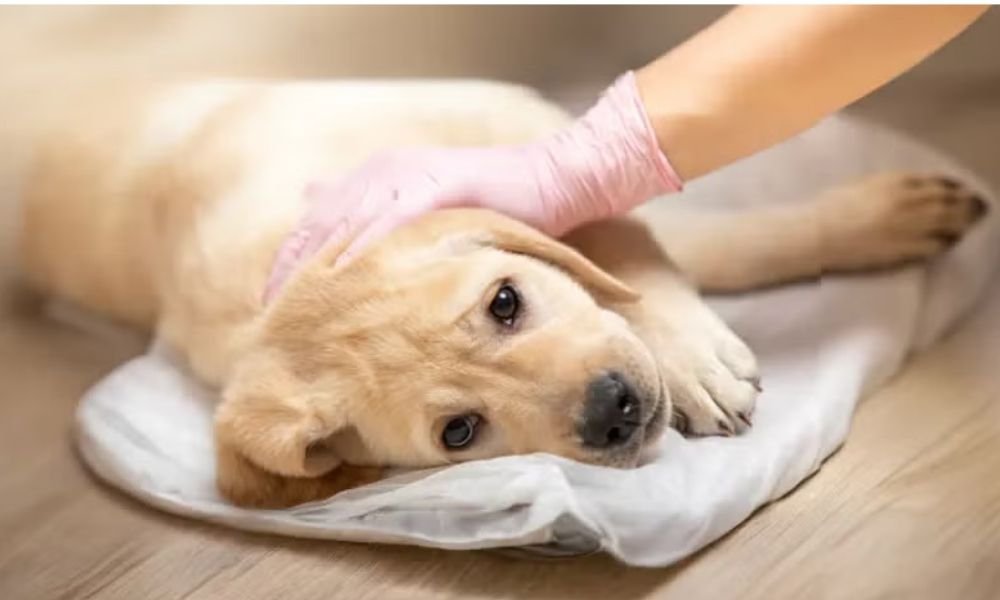
Are you a dog parent and worried about your pet’s health? Well you are at the right place. Today we will be discussing the most common Canine Diseases that is Parvo virus. Parvovirus in dogs is a highly contagious viral infection that can become life-threatening, especially in puppies and unvaccinated dogs. Canine parvovirus primarily affects the gastrointestinal tract and can cause severe vomiting, diarrhea, dehydration, weakness, and loss of appetite.
As the disease can progress quickly, recognizing the early symptoms of parvovirus in dogs and seeking veterinary care promptly is extremely important. With timely supportive treatment and careful monitoring, many affected dogs can recover. Although there are vaccinations available to protect against Parvovirus in Dogs, understanding about the diseases and the early signs are equally important.
At Pups & Kits Pet Hospital, pet parents can seek veterinary assistance when their dogs show signs of gastrointestinal illness or other symptoms associated with canine parvovirus. We also offer vaccinations for your pet to protect them from most diseases.
What Is Parvovirus in Dogs?
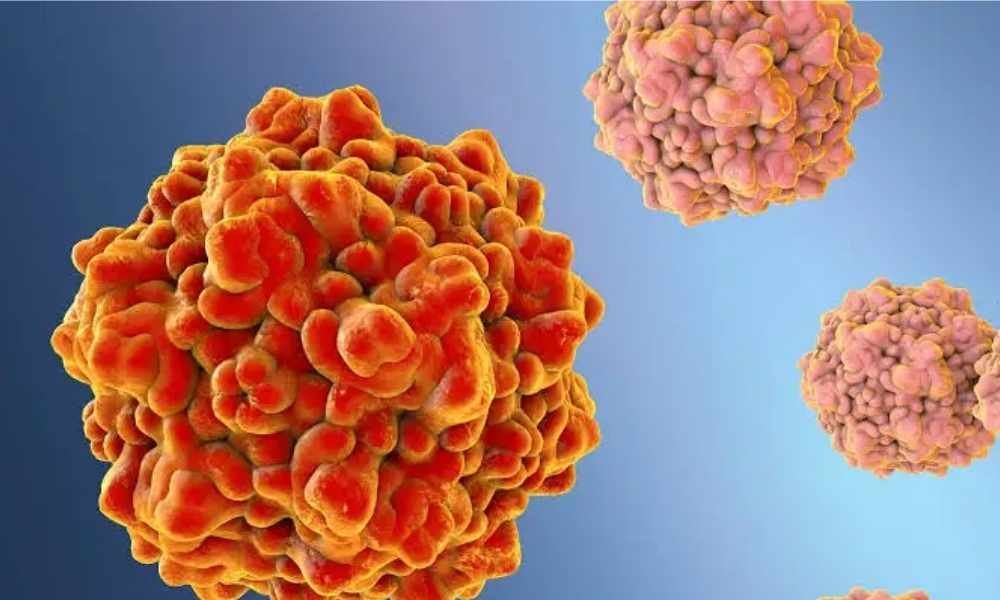
We often find many pet owners unaware of the parvovirus and struggling to identify its early signs in pets. Canine parvovirus is a highly contagious virus that primarily affects rapidly dividing cells in a dog’s body, particularly cells lining the intestines. In young puppies, the virus can also affect developing immune tissues and, in rare cases, the heart.
The virus can spreads easily between dogs and can survive in the environment for extended periods. Direct contact with an infected dog is not always necessary. Dogs may become exposed through contaminated feces, surfaces, food and water bowls, bedding, footwear, hands, or other objects.
Puppies that have not completed their vaccination series are vulnerable to Parvovirus highlighting the needs to vaccinate your pet as soon as possible..
Early Symptoms of Parvovirus in Dogs
Recognizing the early warning signs can help pet parents seek veterinary care before the illness becomes severe.
Common early symptoms of parvovirus in dogs include:
- Loss of appetite
- Lethargy or unusual tiredness
- Weakness
- Fever or abnormal body temperature
- Vomiting
- Diarrhea
- Abdominal discomfort
- Dehydration
- Reduced interest in food or water
Initially, the symptoms may appear similar to an ordinary stomach upset. However, repeated vomiting, severe diarrhea, increasing weakness, or rapid dehydration should never be ignored—particularly in puppies.
What Does Parvovirus Diarrhea Look Like?
Parvovirus can cause severe diarrhea, which may become watery and sometimes contain blood or mucus. The stool may also have a particularly unpleasant odor.
However, bloody diarrhea does not automatically mean a dog has parvovirus. Other infections, parasites, dietary problems, toxins, and gastrointestinal conditions can cause similar signs.
A veterinarian may recommend diagnostic testing to determine the underlying cause.
How Does a Dog Catch Parvovirus?
Canine parvovirus is extremely contagious and can spread through infected feces and contaminated environments.
Transmission can occur when a susceptible dog:
- Comes into contact with an infected dog’s feces
- Walks through contaminated areas
- Shares contaminated bowls or objects
- Comes into contact with contaminated bedding or surfaces
- Encounters contaminated hands, clothing, shoes, or equipment
The virus can persist in the environment, making proper cleaning and disinfection particularly important when a dog has been diagnosed with parvovirus.
Which Dogs Are Most at Risk?
Although any unvaccinated dog can become infected, certain dogs have a higher risk of severe disease.
These include:
- Young puppies
- Dogs that have not completed their vaccination schedule
- Unvaccinated adult dogs
- Dogs living in areas with significant exposure to other dogs
- Dogs with weakened immune defenses
Puppies are especially vulnerable because their immune protection is still developing.
How Is Parvovirus in Dogs Diagnosed?
A veterinarian may suspect parvovirus based on a dog’s age, vaccination history, symptoms, and physical examination.
Diagnostic testing may include a fecal antigen test and, depending on the situation, additional laboratory testing such as a complete blood count or other blood tests.
Because several diseases can cause vomiting and diarrhea, veterinary assessment is important for determining the appropriate treatment.
Can humans get parvo from a dog?
Canine parvovirus primarily infects dogs, especially puppies. It is not considered a zoonotic disease, meaning it does not normally infect humans.
Treatment for Parvovirus in Dogs
There is no specific medication that simply eliminates canine parvovirus from an infected dog’s body. Treatment generally focuses on supporting the dog’s body while the immune system fights the infection.
Veterinary treatment may include:
1. Fluid Therapy
Severe vomiting and diarrhea can cause significant fluid and electrolyte losses. Veterinary fluid therapy can help correct dehydration and support circulation.
2. Medication to Control Vomiting
Veterinarians may prescribe anti-nausea or anti-vomiting medication when appropriate. Controlling vomiting can also help a dog tolerate fluids and nutrition.
3. Nutritional Support
Maintaining adequate nutrition is an important part of recovery. Depending on the dog’s condition, a veterinarian may recommend an appropriate feeding strategy and diet.
4. Monitoring and Supportive Care
Dogs with severe disease may require hospitalization and close monitoring of hydration, blood glucose, electrolytes, temperature, and other health parameters.
5. Treatment of Secondary Complications
Parvovirus can damage the intestinal lining and weaken the body’s defenses, increasing the risk of complications. Veterinarians may provide additional treatment when bacterial infections or other complications are suspected.
Treatment decisions should always be made by a veterinarian based on the individual dog’s condition.
Can Dogs Recover From Parvovirus?
Yes, dogs can recover from parvovirus, particularly when veterinary treatment is started promptly.
Recovery depends on several factors, including:
- Age of the dog
- Vaccination status
- Severity of infection
- Degree of dehydration
- Presence of complications
- How quickly treatment begins
- Overall health of the dog
Early veterinary intervention can be important because puppies can become severely dehydrated and weak in a short period.
How to Prevent Parvovirus in Dogs
Prevention is one of the most effective ways to protect dogs from canine parvovirus.
Keep Vaccinations Up to Date
Vaccination is a key part of parvovirus prevention. Puppies typically require a series of vaccinations because protection develops over time.
Follow the vaccination schedule recommended by your veterinarian and ensure your adult dog’s vaccinations remain up to date.
Avoid High-Risk Exposure in Unvaccinated Puppies
Until a puppy has received the vaccinations recommended by its veterinarian, avoid unnecessary exposure to potentially contaminated environments and unknown dogs.
Your veterinarian can advise you about appropriate socialization and outdoor activities based on your puppy’s vaccination status and local disease risks.
Practice Good Hygiene
If parvovirus is suspected or confirmed:
- Clean contaminated areas carefully.
- Wash your hands after handling an infected dog.
- Avoid transferring contamination between dogs.
- Wash or appropriately disinfect washable items.
- Follow veterinary recommendations for environmental disinfection.
Because canine parvovirus can survive in the environment, ordinary cleaning may not always be sufficient.
Protect Your Dog From Parvovirus
Parvovirus in dogs can progress rapidly, particularly in young and unvaccinated puppies. Knowing the warning signs and seeking veterinary attention early can make an important difference. If your dog develops persistent vomiting, diarrhea, weakness, loss of appetite, or signs of dehydration, contact a veterinarian promptly.
Pups & Kits Pet Hospital provides veterinary care for dogs and other pets, including consultation, diagnostics, vaccination, emergency care, and treatment support. Pups & Kits Pet Hospital is committed to providing compassionate, high-quality veterinary care and complete vaccination schedule or your loving pet. Conveniently located just a 10-minute walk from Kishore Bharati Kirangan, our pet hospital is easily accessible for pet parents in and around the area. We proudly serve pet parents across Jadavpur, Garfa, Baghajatin, Golf Green, Jodhpur Park, Tollygunge, and nearby areas. If you’re searching for an Animal Hospital Near Me, Pet Hospital Near Me, or reliable veterinary care for your pet, Pups & Kits Pet Hospital provides comprehensive care in a compassionate and pet-friendly environment.
📞 Call: 8910534300
🌐 www.pupsnkitspethospital.com
Early attention, appropriate vaccination, and responsible pet care can help protect your dog from serious infectious diseases such as canine parvovirus.