

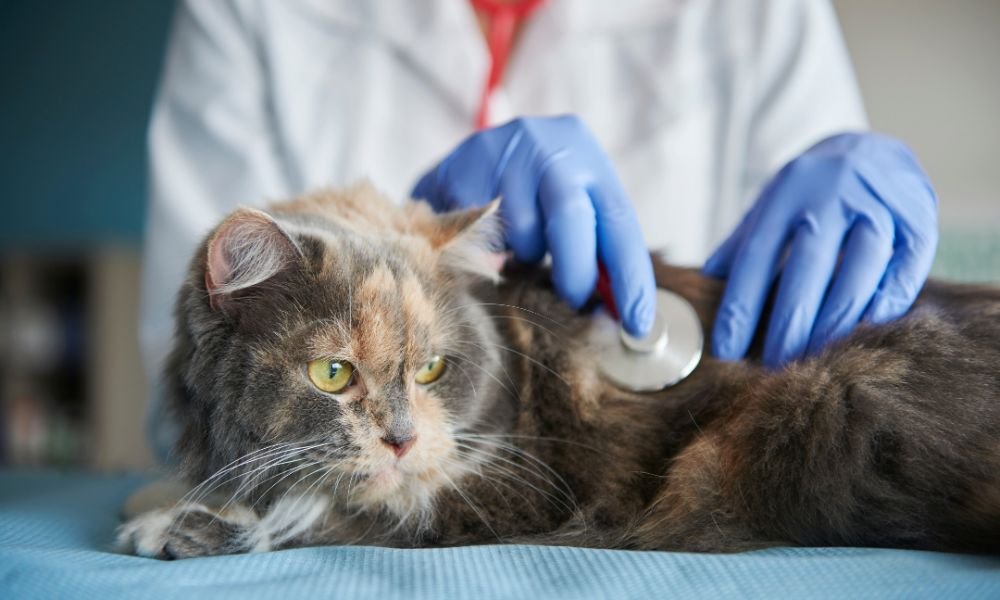
Are you are a pet parent and willing to make the best choices for your loving pet, then regular veterinary check-ups is one of the most important decisions that you make to keep your pet healthy, active, and happy. Just like humans, dogs, cats, birds, and other pets need routine health examinations to detect potential problems early and maintain their overall well-being. Even when your pet appears perfectly healthy, a visit to the veterinarian can help identify underlying health concerns before they become serious. At Pups & Kits Pet Hospital, We offer complete healthcare solutions for your pet starting from routine veterinary check-ups to 24 hours emergency care. Regular vet check-ups help pet owners understand their pet’s health and get the right care at the right time.
1. Checking Your Pet’s Weight and Vital Signs
A routine vet check-up starts with checking your pet’s weight, temperature, heartbeat, and breathing rate. These checks help the vet understand your pet’s health and notice any unusual changes. Sudden weight gain or loss, an elevated temperature, or irregular breathing may indicate an underlying health issue that requires further evaluation.
Monitoring these vital signs regularly also helps veterinarians track your pet’s growth and development, particularly in puppies and kittens, as well as age-related changes in senior pets.
2. Examining the Ears, Eyes, Nose, and Mouth
During a routine check-up, the vet checks your pet’s eyes, ears, nose, and mouth for signs of infection or other problems. Watery eyes, redness, bad ear smells, frequent scratching, or a runny nose may be signs that your pet needs medical care.
The veterinarian will also examine your pet’s teeth and gums to look for plaque buildup, hardened tartar, unpleasant breath, gum irritation, and other dental issues. Regular dental care is essential for maintaining your pet’s oral health, as untreated dental problems can lead to pain, difficulty chewing food, and further health complications.
3. Listening to the Heart and Lungs
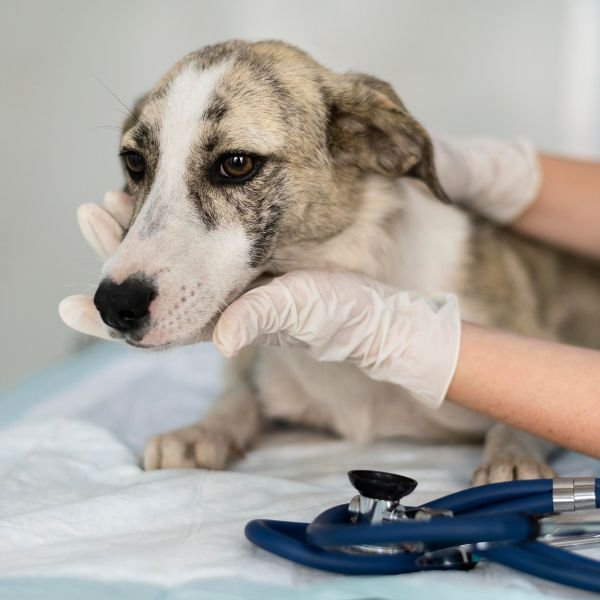
During routine veterinary check-up, the veterinarian will use a stethoscope to listen to your pet’s heart and lungs to assess their function. This plays a significant role in identifying any unusual heart sounds, abnormal breathing patterns, irregular rhythms, or signs which require further test.
Although this step is generally quick, it is an essential part of a routine health assessment.If the vet finds anything unusual, they may suggest additional tests to find out what is causing your pet’s health problem.
4. Examining the Skin, Coat, and Body during Routine Veterinary Check-Up
Your pet’s skin and coat can reveal important clues about their overall health. During a regular check-up, the vet examines your pet’s skin and coat for redness, rashes, hair loss, lumps, wounds, parasites, and signs of infection.
The veterinarian may also examine your pet’s abdomen, joints, muscles, and lymph nodes to identify tenderness, swelling, or other abnormalities during your pet’s routine veterinary check-up. Issues in mobility, stiffness, or discomfort while making any movement can indicate joint problems or certain medical conditions.
5. Reviewing Vaccinations and Parasite Prevention
Vaccinations protect pets from many infectious diseases. During a regular check-up, the vet will check your pet’s vaccination records and suggest the necessary vaccines based on their age, health, lifestyle, and risk of diseases in your area.
The veterinarian may also discuss protection against fleas, ticks, intestinal worms, and other parasites while performing routine veterinary check-up.
6. Discussing Diet, Nutrition, and Daily Habits
A healthy diet is essential for maintaining your pet’s energy, immunity, and ideal body weight. Your veterinarian may ask about your pet’s food, feeding schedule, water intake, exercise routine, sleep patterns, and toilet habits.
Based on your pet’s age, breed, weight, activity level, and medical needs, the veterinarian can suggest appropriate dietary adjustments. These suggestions can help the pets who are old, underweight, overweight, pregnant or growing rapidly.
7. Recommending Diagnostic Tests When Necessary
Your pet may not need blood tests or scans during every routine check-up. The Vet may recommend extra tests to check for health problems, if they find any health concerns or your pet is older.
Depending on the clinical findings, these may include blood tests, urine analysis, stool examination, X-rays, ultrasound scans, or other diagnostic procedures. Such tests can help investigate suspected illnesses and provide a clearer understanding of your pet’s health.
8. Receiving Personalised Health Advice During a Routine Veterinary Check-Up
At the end of the check-up, the vet will explain your pet’s health condition and suggest any treatment or follow-up visits if needed.
Sharing information about recent changes in your pet’s appetite, activity, behaviour, or bathroom habits can help the veterinarian make a more informed assessment.
How Often a Pet Needs to Go For a Veterinary Doctor?
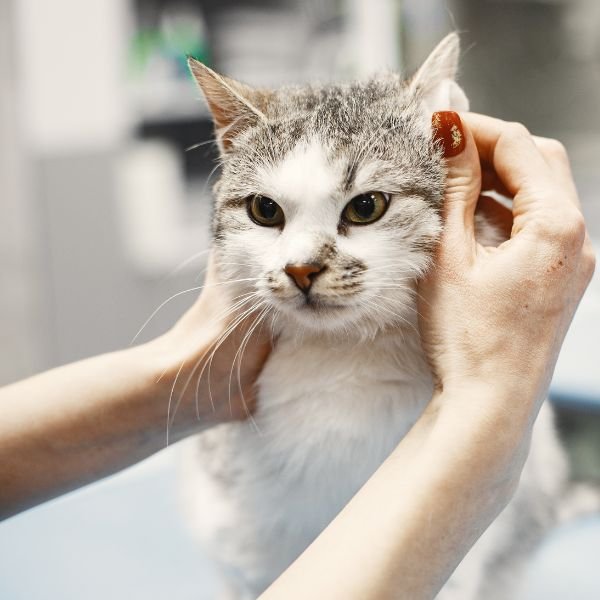
The ideal frequency depends on your pet’s age, medical history, and individual needs.
- Puppies and kittens: More frequent visits are generally needed for vaccinations, growth monitoring, and preventive care.
- Healthy adult pets: A veterinary wellness examination at least once a year is a useful general guideline.
- Senior pets: For old pets, Health Check-ups may be recommended every six months, depending on their health and risk factors.
- Pets with existing health conditions: The veterinarian may recommend more frequent visits and monitoring.
Always follow your veterinarian’s advice regarding the appropriate check-up schedule for your pet.
When Should You Visit a Veterinarian Between Routine Check-Ups?
Do not wait for your next scheduled appointment if your pet develops unusual symptoms. Persistent vomiting or diarrhoea, loss of appetite, unexplained weight changes, excessive thirst, difficulty walking, or noticeable behavioural changes should be discussed with a veterinarian.
Seek urgent veterinary attention if your pet has difficulty breathing, collapses, experiences seizures, develops severe bleeding, or shows signs of another medical emergency.
Book a Routine Veterinary Check-Up at Pups & Kits Pet Hospital
Preventive veterinary care can make a meaningful difference to your pet’s quality of life. Routine examinations help monitor health, identify potential concerns early, and ensure your pet receives appropriate vaccinations, parasite prevention, nutritional guidance, and medical attention when needed.
At Pups & Kits Pet Hospital, in Santoshpur, we offer veterinary care for dogs, cats, birds, and other pets. Our services include Pet Consultation, Vaccinations, Pet Diagnostics and Emergency services, and pharmacy support. If you are searching for a reliable animal hospital in Santoshpur, Pups & Kits Pet Hospital provides a range of services to meet your pet’s healthcare needs, including 24/7 emergency veterinary care. Located just a 10-minute walk from Kishore Bharati Kirangan,, our hospital is easily accessible to pet parents in Santoshpur and nearby areas.
If you reside in Jadavpur, Garfa, Baghajatin, Golf Green, Jodhpur Park, Tollygunge, or nearby areas and are searching for an Animal Hospital Near Me, Pups & Kits Pet Hospital is a trusted choice for comprehensive veterinary care.
Location: Survey Park Road, Santoshpur, Kolkata – 700075
Phone: 89105 34300
Website: https://pupsnkitspethospital.com/
Schedule a routine veterinary check-up and take a proactive step towards keeping your beloved companion healthy and happy.