


Watching your dog or cat have a seizure can be overwhelming and scary. Your pet may be perfectly fine one moment and then suddenly fall over, become stiff, paddle their legs, shake uncontrollably, drool, or lose control of their bladder or bowels. Some seizures can also appear as staring, facial twitching, or unusual repetitive movements.Seizures in pets can be sudden and frightening for pet owners.
Knowing what to do during an episode can help pet owners keep their pets safe and provide useful information to the veterinarian for specific treatments. At the same time, it is also important to have a nearby pet clinic and take immediate action in case your pet’s condition worsens.
Trusting a pet clinic for your pet can be tricky, and it is important to choose one that meets the standards of a good pet clinic. One such pet hospital is Pups & Kits Pet Hospital, located in a prime location in Kolkata. At Pups & Kits Pet Hospital, we understand how frightening these moments can be for pet parents. For us, your pet’s safety comes first, and we’re here to provide compassionate veterinary care when your pet needs it most.
What Is a Seizure in Pets?
A seizure is a temporary disturbance of normal brain activity that can cause involuntary movements or changes in awareness. Seizures can have many possible causes, including epilepsy, toxins, head trauma, liver or kidney problems, low blood sugar, infections, or other neurological conditions.
Seizures in Pets may last anywhere from a few seconds to several minutes. Afterward, your pet may seem confused, restless, sleepy, unsteady, or temporarily disoriented.
How long do seizures last?
In pets, most seizures are brief, often lasting less than 1–2 minutes. After the seizure, the pet may remain confused, tired, or unsteady during the postictal phase.
A seizure lasting 5 minutes or longer is a medical emergency and requires immediate veterinary attention. Seizures in Pets may cause shaking, stiffness, paddling of the legs, or drooling. Repeated seizures close together also require urgent veterinary care.
What to do if a pet has a seizure?

1. Stay Calm
Your pet may look distressed, but staying calm allows you to respond safely. Keep other people and pets away from the area.
2. Move Dangerous Objects Away
If possible, carefully move furniture, sharp objects, toys, or anything else that could injure your pet away from them. If your pet is near stairs, take steps to prevent a fall if you can do so safely.
3. Do Not Restrain Your Pet during seizures
Never try to hold your pet down or stop the movements. Restraining them can cause injury to both you and your pet.
4. Keep Your Hands Away From Their Mouth
Do not put your fingers, food, water, or objects into your pet’s mouth. Some Seizures in Pets may appear as staring, facial twitching, or unusual movements. Pets do not swallow their tongues during seizures, and attempting to open the mouth can result in a serious bite.
5. Record the Time of Seizure
Use your phone to check how long the episode lasts. The duration is important information for your veterinarian. If it is safe, you can also record a video of the episode, as this may help your veterinarian determine whether the event was a seizure or another type of neurological episode.
6. Keep the Environment Quiet during Seizures in Pets
Reduce loud noises, bright stimulation, and unnecessary handling. Once the seizure stops, your pet may be confused or disoriented, so give them space and speak calmly. During Seizures in Pets, stay calm and keep your pet away from dangerous objects.
When Is a Seizure an Emergency?
Seek immediate veterinary care if:
- The seizure lasts 5 minutes or longer
- Your pet has multiple seizures close together
- Your pet does not return to normal consciousness after the seizure
- Your pet has difficulty breathing afterward
- You suspect poisoning or toxin exposure
- Your pet has a first-time seizure and you are concerned about their condition
Seizures in Pets lasting more than five minutes is considered status epilepticus and can be life-threatening.
What Should You Do After an Episode of Seizures in Pets?
Once the seizure has ended, allow your pet to rest in a safe, quiet area. They may temporarily appear confused, restless, sleepy, or unsteady. Do not force food or water immediately if they are still disoriented.
Contact your veterinarian even if your pet appears normal afterward, particularly if this was their first seizure. Your veterinarian may recommend an examination and diagnostic tests to investigate the underlying cause.
Keep a Record of Seizures in Pets
If your pet has recurring seizures, keep track of:
- Date and time of each episode
- How long it lasted
- What your pet was doing before it happened
- What the seizure looked like
- How your pet behaved afterward
- Any possible exposure to medications, chemicals, or toxins
This information can help your veterinarian understand the pattern and plan appropriate treatment. Frequent or prolonged Seizures in Pets may require immediate veterinary attention.
What is the last stage of a Seizures in Pets?
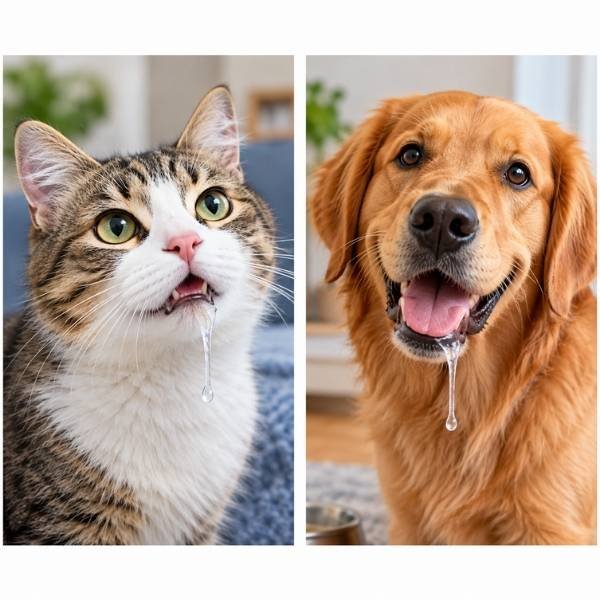
The last stage of a seizure is called the postictal phase. It happens after the active seizure has stopped.
During this stage, a pet may:
- Seem confused or disoriented
- Be very tired or sleepy
- Have temporary weakness or difficulty walking
- Seem restless or anxious
- Show temporary changes in vision or behavior
This phase can last from a few minutes to several hours, depending on the pet and the seizure.
For a pet experiencing a seizure, keep them in a safe, quiet area and contact a veterinarian, especially if it is their first seizure, the seizure lasts more than a few minutes, or seizures occur repeatedly.
Final Thoughts regarding Seizures in Pets
A seizure can be scary, but knowing the correct first-aid steps can make a significant difference. Keep your pet safe, don’t restrain them, never put anything in their mouth, time the episode, and seek emergency veterinary care when the seizure is prolonged or repeated.
If your pet has experienced a seizure, professional veterinary evaluation is important to determine the possible cause and appropriate treatment. Understanding Seizures in Pets can help pet owners respond calmly and keep their pets safe.
Pups & Kits Pet Hospital, Kolkata provides veterinary care for dogs, cats, birds, and exotic pets. If you are looking for a trusted animal hospital in Santoshpur, choosing Pups & Kits Pet Hospital can solve all your problems like Pet Consultation, Vaccinations, Pet Diagnostics and Emergency services.Pups & Kits Pet Hospital is committed to providing compassionate, high-quality veterinary care. The hospital is just 10-minute walk from Kishore Bharati Kirangan, making it accessible to the people living near Jadavpur, Garfa, Baghajatin, Golf Green, Jodhpur Park, Tollygunge, or nearby areas.If your pet experiences a seizure or another emergency, contact your veterinarian promptly rather than attempting to diagnose or treat the condition at home.