

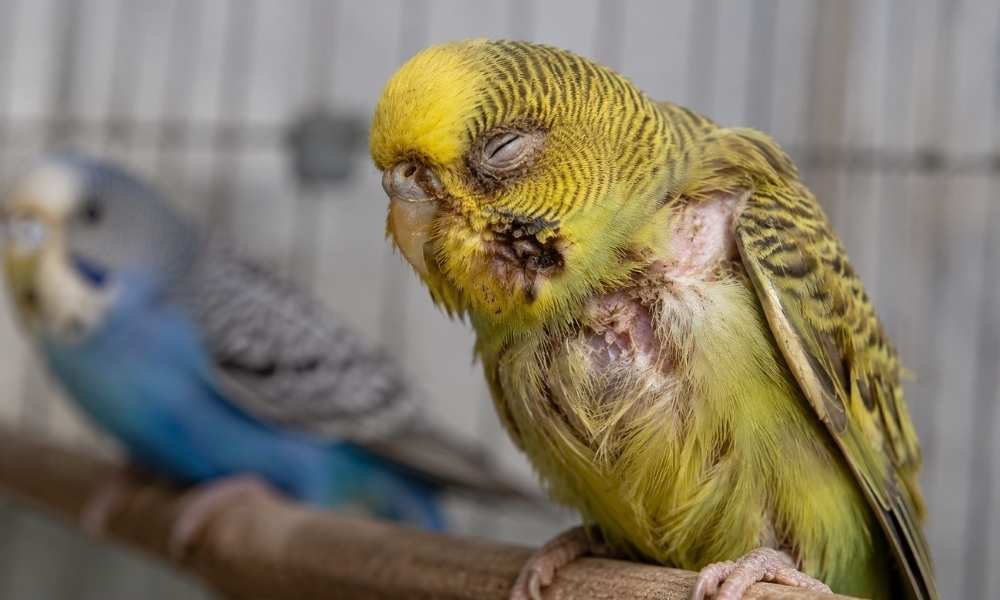
Seasonal changes can affect birds more than we realise. Changes in temperature, humidity, rainfall, and air quality can increase the risk of respiratory, digestive, and other infections in pet birds. Since birds often hide signs of illness until they are quite unwell, recognising the early warning signs is extremely important. Seasonal infection in birds can affect their health and well-being, so it is important to watch for early warning signs.
Pups & Kits Pet Hospital is a reliable veterinary hospital in Santoshpur, providing comprehensive healthcare and medical support for pets under one roof. At Pups & Kits Pet Hospital, we encourage pet parents to monitor their birds closely and consult a qualified veterinarian whenever they notice any unusual behaviour. Identifying the early symptoms of infection can help with prompt diagnosis and timely treatment, supporting your bird’s overall health and well-being.
By choosing Pups & Kits Pet Hospital, pet parents can access a wide range of veterinary services, including Pet Consultation, Vaccinations, Pet Diagnostics, and Emergency Services.
Why Are Birds More Vulnerable to Seasonal Infections During Seasonal Changes?
Birds have a sensitive respiratory system and can be affected by sudden changes in their environment. During monsoon, winter, or periods of extreme heat, factors such as dampness, poor ventilation, temperature fluctuations, contaminated food or water, and increased exposure to pathogens can contribute to illness.
Birds may also become stressed when their environment changes suddenly. Stress can affect their overall resistance to disease and may make them more vulnerable to infections.
Common Warning Signs of Seasonal Infection in Birds
Birds can be very good at hiding illness. Pay attention to even subtle changes in their normal behaviour.
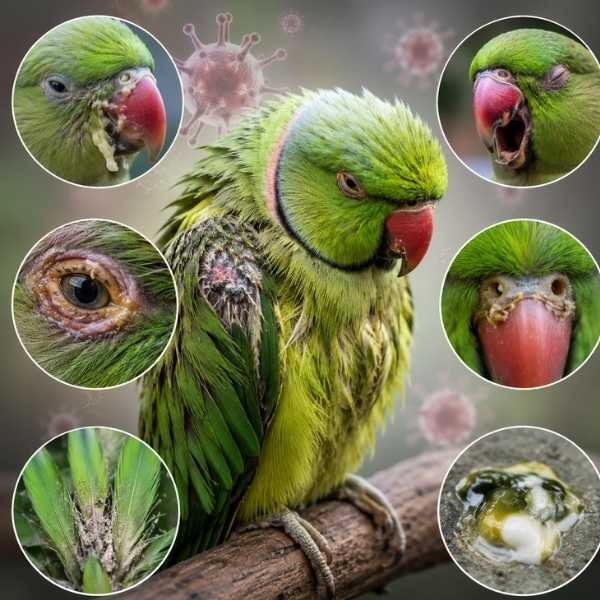
1. Sneezing or Breathing Difficulty
Occasional sneezing may not always indicate an infection, but frequent sneezing, wheezing, noisy breathing, open-mouth breathing, or noticeable movement of the tail while breathing can be warning signs.
Breathing problems in birds can become serious quickly and should not be ignored.
2. Reduced Appetite
If your bird suddenly eats less or refuses food, it may indicate an underlying health problem. A persistent change in eating habits deserves veterinary attention.
3. Lethargy and Reduced Activity
Is your normally active bird sitting quietly for long periods? Excessive sleeping, sitting at the bottom of the cage, reluctance to move, or reduced interaction can indicate that your bird isn’t feeling well.
4. Changes in Droppings
Changes in the colour, consistency, amount, or frequency of droppings can provide useful clues about a bird’s health.
Sudden or persistent changes should be monitored and discussed with an avian veterinarian, especially when accompanied by other symptoms.
5. Fluffed-Up Feathers
Birds may temporarily fluff their feathers when they are resting or keeping warm. However, continuously sitting fluffed up, particularly during normal room temperatures, can be a sign of illness.
6. Discharge From the Eyes or Nose
Watery eyes, swelling around the eyes, nasal discharge, or crusting around the nostrils may indicate an infection or another health condition requiring examination.
7. Voice or Behaviour Changes
A bird that suddenly becomes unusually quiet, stops vocalising, becomes irritable, or behaves differently from normal may be experiencing discomfort or illness.
How Can You Help Prevent Seasonal Infections in birds?
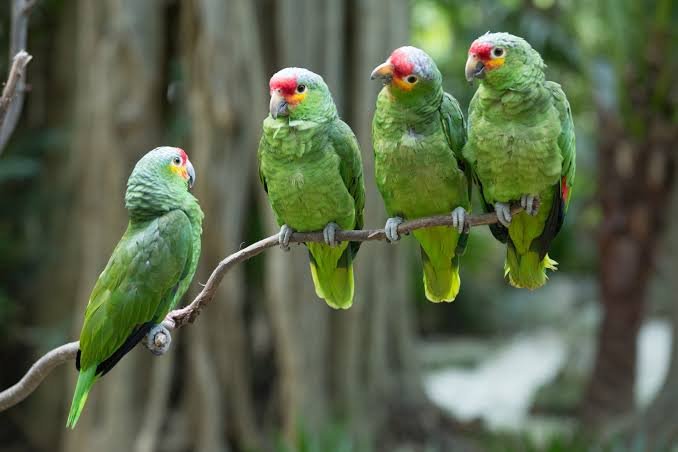
While infections cannot always be prevented, good hygiene and proper environmental care can reduce health risks.
- Keep the cage clean and dry.
- Provide fresh, clean drinking water every day.
- Avoid sudden temperature changes and drafts.
- Ensure adequate ventilation without exposing the bird to cold air directly.
- Keep food fresh and remove spoiled or contaminated food.
- Wash food and water bowls regularly.
- Minimise exposure to smoke, strong fragrances, aerosols, and other respiratory irritants.
- Avoid overcrowding and maintain good hygiene around multiple birds.
- Monitor your bird’s appetite, droppings, activity, and breathing every day.
When Should You Visit a Veterinarian for Seasonal Infection in Birds?
Don’t wait for symptoms to become severe. Birds can deteriorate quickly, and early intervention is often important.
Seek veterinary care promptly if your bird shows difficulty breathing, severe weakness, persistent vomiting or regurgitation, significant appetite loss, bleeding, seizures, or prolonged abnormal behaviour.
Never give human medicines or leftover medication to your bird without veterinary guidance. The appropriate treatment depends on the underlying cause and the bird’s species, age, condition, and overall health.
Conveniently located in Survey Park, Santoshpur, Pups & Kits Pet hospital is equipped with modern diagnostic facilities, experienced veterinarians, and 24×7 emergency services to provide quality care for every pet.
Keep a Close Eye on Your Feathered Friend for Seasonal Infection in Birds
Your bird’s normal behaviour is your best reference point. Spending a few minutes observing your pet every day can help you notice small changes before they become bigger concerns.
Seasonal infections can affect birds, but awareness, hygiene, proper nutrition, a suitable environment, and timely veterinary care can help protect their health.
At Pups & Kits Pet Hospital, we believe that early attention and regular veterinary care are essential for keeping your feathered companions healthy and happy.
Choose Timely Veterinary Care for Your Feathered Friend
Your bird depends on you to recognise when something isn’t right. Spending a few minutes observing your pet every day can help you identify subtle changes early.
Whether you are looking for bird treatment in Kolkata, guidance on pet bird health, or professional veterinary advice, timely consultation can help protect your feathered companion.
At Pups & Kits Pet Hospital , we believe every pet deserves attentive, compassionate, and responsible healthcare. If your bird shows signs of a seasonal infection or any unusual change in health, don’t ignore the warning signs. Conveniently located just a 10-minute walk from Kishore Bharati Kirangan, the hospital is easily accessible for pet parents in and around the area.
If you reside in Jadavpur, Garfa, Baghajatin, Golf Green, Jodhpur Park, Tollygunge, or nearby areas and are searching for any bird vet near me, Pups & Kits Pet Hospital is a trusted choice for comprehensive veterinary care.
Frequently Asked Questions
1. What are the common signs of Seasonal infection in birds?
Common warning signs include frequent sneezing, breathing difficulties, reduced appetite, lethargy, fluffed-up feathers, abnormal droppings, eye or nasal discharge, and changes in vocalisation or behaviour.
2. Can weather cause seasonal infection in birds?
Sudden changes in temperature and humidity do not necessarily cause infections directly, but environmental changes can contribute to stress and may increase vulnerability to certain health problems.
3. When should I take my bird to a vet?
Seek veterinary care promptly if your bird has difficulty breathing, stops eating, becomes extremely weak, develops persistent abnormal droppings, or shows significant behavioural changes.
4. Can I give human medicine to my pet bird?
No. Human medicines can be unsafe for birds. Always consult a qualified veterinarian before giving your bird any medication.
5. Where can I find a bird vet in Kolkata?
Pet parents looking for veterinary care for their birds can contact Pups & Kits Pet Hospital for professional guidance and appropriate veterinary evaluation.
Pups & Kits Pet Hospital — Caring for Your Pets, Including Your Feathered Companions.
📍Pups & Kits Pet Hospital
📍B/95, LP 201/10/3/2, Survey Park, Kolkata, West Bengal 700075
📞 8910534300
🌐 www.pupsnkitspethospital.com