

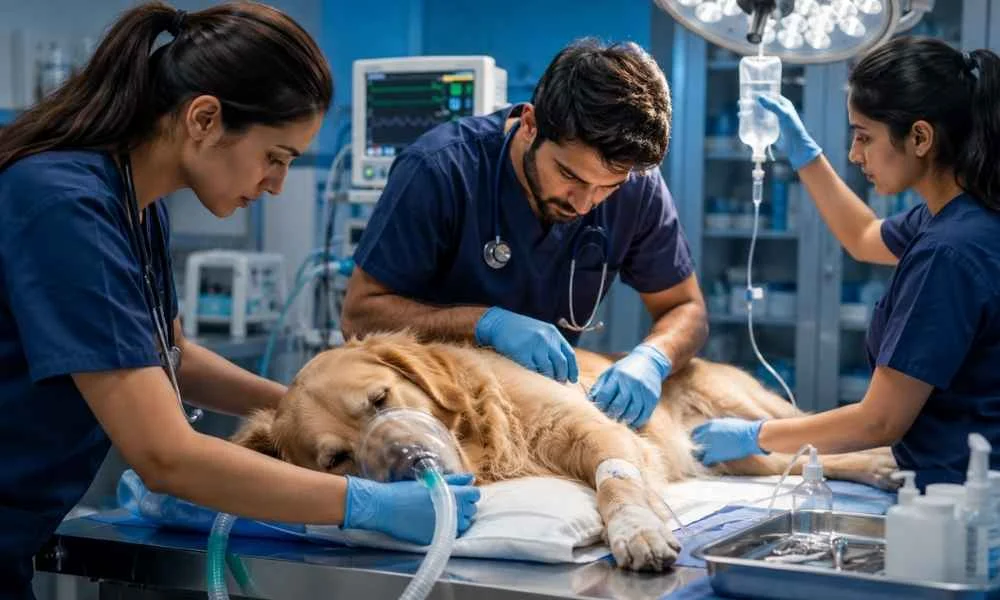
Pet emergencies can happen at any time, including late at night when most veterinary clinics are closed. Knowing how to recognize serious warning signs and what to do before reaching a veterinary clinic can make a valuable difference to your pet’s safety. Being prepared in advance can help you respond confidently when your Pet Has a Medical Emergency at Night.
Whether you have a dog, cat, bird, or exotic pet, it is important to stay calm, assess the situation, and seek professional veterinary care when needed. Pups & Kits Pet Hospital in Santoshpur, Kolkata, provides 24×7 emergency and critical care for dogs, cats, birds, and exotic pets, helping pet parents get veterinary assistance when unexpected emergencies happen at night. Let’s explore some important information about pet emergencies and what every pet parent should know to respond quickly and appropriately when their pet needs urgent care.
Signs Your Pet has Medical Emergency that Cannot Wait Until Morning
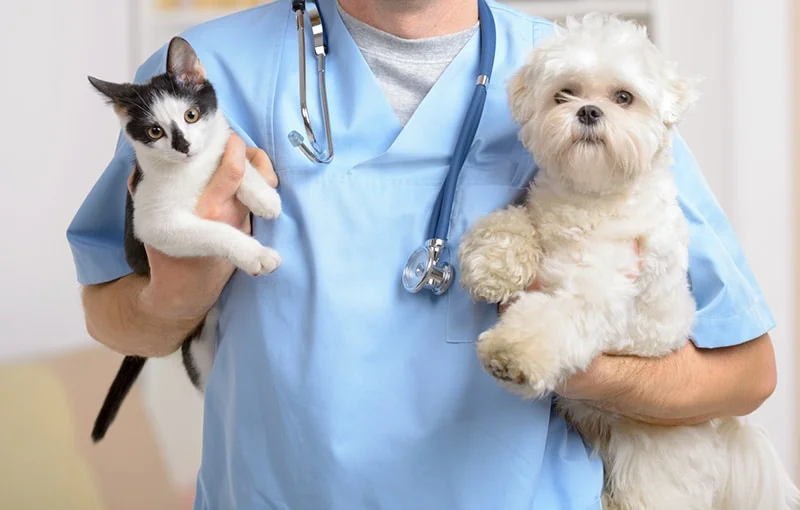
Sometimes we ignore the signs and symptoms believing that we can go to the Vet the next morning. However some signs may indicate a potentially life-threatening condition and require immediate veterinary attention. Contact an emergency veterinary service if your pet experiences:
- Difficulty breathing, rapid breathing, or choking
- Severe bleeding that does not stop
- Loss of consciousness or collapse
- Seizures, especially prolonged or repeated seizures
- Sudden inability to stand or walk
- Serious injuries caused by accidents, falls, or fights
- Suspected poisoning or ingestion of a harmful substance
- Repeated vomiting or severe diarrhea, particularly with weakness or blood
- Severe abdominal swelling or pain
- Pale, white, blue, or unusually dark gums
- Difficulty giving birth or complications during delivery
- Sudden extreme weakness, confusion, or unusual behavior
- Signs of heatstroke, such as excessive panting, weakness, drooling, or collapse
For birds and exotic pets, even subtle changes such as sitting unusually still, difficulty breathing, refusing food, or sudden weakness can require prompt veterinary assessment because these animals may hide signs of illness until their condition becomes serious. When your Pet Has Medical Emergency at Night, knowing what to do can help protect their health and safety.
What to Do Before Reaching the Veterinary Clinic when your pet has Medical Emergency at night?
Pet emergencies at night can be overwhelming but it is important to take quick actions for your pet’s health and comfort. When an emergency occurs, avoid panic and focus on keeping your pet safe while arranging professional care.
1. Keep Your Pet Calm
If your pet has Medical Emergency at night, keep it away from other animals, loud noises, or anything that could cause further injury. Handle them gently, particularly if they are injured or in pain.
2. Check Breathing and Responsiveness
Observe whether your pet is breathing normally and responding to you. If your pet is unconscious or having difficulty breathing, seek emergency veterinary help immediately.
Do not attempt complicated first-aid procedures unless you have been trained to perform them.
3. Control External Bleeding
If there is visible bleeding, place clean gauze or cloth over the wound and apply gentle, steady pressure. Avoid repeatedly removing the cloth to check the wound, as this may disturb clot formation.
If bleeding is severe or does not stop, get to an emergency veterinary facility as quickly as possible. Knowing the nearest emergency veterinary facility is important when your pet has Medical Emergency at night.
4. Prevent Further Injury
If your pet has suffered an accident or suspected fracture, minimize movement. Use a carrier, box, blanket, or firm surface appropriate for the animal to transport them safely.
Do not try to straighten broken bones or force a painful limb into position.
5. Do Not Give Human Medicines
If your Pet Has a Medical Emergency at Night, avoid giving human medication unless directed by a veterinarian. Never give your pet human painkillers or other medication as some medicines that are safe for people can be dangerous or even toxic to animals.
Similarly, do not induce vomiting after suspected poisoning unless a veterinarian instructs you to.
6. Take Important Information With You
If possible, carry your pet’s medical records, current medications, vaccination information, and any relevant details about what happened.
If poisoning is suspected, take the packaging or a photo of the suspected substance with you, without delaying emergency treatment.
Why 24-Hour Veterinary Availability Matters When Your Pet has Medical Emergency?
Emergencies can happen at any time, including during the night when regular veterinary clinics may be closed. Older pets can be especially vulnerable to sudden medical emergencies. A pet may appear stable in the evening but experience a rapid decline overnight, particularly in cases involving poisoning, trauma, breathing difficulties, seizures, severe infections, or other serious conditions. Recognizing warning signs early and seeking prompt veterinary care can make a critical difference in an emergency. If your Pet has a Medical Emergency at Night, contact an emergency veterinarian as soon as possible.
For pet parents in and around Santoshpur, Pups & Kits Pet Hospital provides 24×7 emergency care for dogs, cats, birds, and exotic pets, helping pet owners access veterinary support when unexpected emergencies occur.
Stay Prepared when your Pet Has Medical Emergency at Night
A little preparation can save valuable time during a crisis. Keep your veterinarian’s contact information easily accessible, have a suitable pet carrier available, and keep basic first-aid supplies on hand. It is also useful to know the location of the nearest veterinary emergency facility before you actually need one.
At Pups & Kits Pet Hospital, we have trained and professional animal handling staffs and our doctors are available 24×7 to address all your Pet’s Emergency Needs. If there is a Pet emergency at Night, do not hesitate to call us for immediate medical attention. We are easily accessible to the pet parents residing near Jadavpur, Garfa, Baghajatin, Golf Green, Jodhpur Park, Tollygunge, or nearby areas. Pups & Kits Pet Hospital is conveniently near Survey Park and the nearest landmark os Kishore Bharati Kirangan. Knowing the nearest emergency veterinary facility is important if your Pet has Medical Emergency at Night. For all your pet’s need starting from Pet Consultation, and Vaccinations to Pet Diagnostics and Emergency services, Pups & Kits Hospital offers complete healthcare services for your loving pet.
During the timing of a crisis it is important to trust your instincts. If your pet suddenly seems seriously unwell, injured, or behaves very differently from normal, do not wait simply because it is nighttime.
When in doubt, contact a veterinarian promptly. Early professional care can be critical during a pet emergency.
FAQ
1. What are the three signs your pet has Medical Emergency at night?
Three common signs that may indicate medical emergency are:
- Sudden changes in behavior – becoming unusually quiet, restless, aggressive, or withdrawn.
- Changes in eating or drinking – refusing food, drinking much more or less than usual, or difficulty eating.
- Changes in movement or posture – limping, difficulty standing, reluctance to move, hiding, or adopting an unusual posture.
If these signs appear suddenly or are severe, contact a veterinarian promptly. Being prepared in advance can help you respond confidently when your Pet has Medical Emergency at Night.
2. What is a “silent killer” for dogs?
Bloat (gastric dilatation-volvulus or GDV) is often described as a silent killer because it can develop rapidly and become life-threatening.
Warning signs include a swollen or painful abdomen, repeated attempts to vomit without bringing anything up, excessive drooling, restlessness, weakness, or collapse. GDV is an emergency—do not wait for symptoms to improve; seek veterinary care immediately.
3. What should you do if your pet has an emergency?
- Stay calm and keep your pet as still and safe as possible.
- Call a veterinarian or emergency pet hospital and explain the symptoms.
- Do not give human medicines unless specifically instructed by a veterinarian.
- If there is bleeding, apply gentle pressure with clean gauze or cloth while traveling to the clinic.
- Transport your pet safely and seek veterinary attention immediately for severe breathing difficulty, poisoning, major injury, seizures, uncontrolled bleeding, collapse, or suspected bloat.
For serious emergencies, professional veterinary care should never be delayed. If your Pet has Medical Emergency at Night, early professional treatment may improve the chances of a better outcome.