


Wondering how to train your dog? here is a full guide for dog training. Training your dog is not just about teaching tricks, it’s more about building communication, trust, and a lifelong bond. Whether you have a playful puppy or an adult rescue, proper dog training ensures a happy, safe, and well-behaved companion. In this thorough guide, we’ll cover essential dog training tips, why dog obedience training is necessary, and the most important do’s and don’ts every pet owner should know.
Why Is It Necessary to Train Your Dog?
Many pet owners underestimate the importance of dog training. However, proper training goes far beyond basic commands like “sit” or “stay.”
1. Improves Safety
Training can prevent dangerous situations. Teaching commands like recall (“come”) and “leave it” can protect your dog from traffic, harmful foods, or aggressive encounters. Obedience training reduces the risk of accidents and promotes responsible pet ownership.
2. Strengthens the Human-Dog Bond
Training builds trust and communication. Dogs thrive on structure and clear expectations. When they understand what you want, they feel more secure and confident.
3. Prevents Behavioral Problems
Common issues such as excessive barking, chewing, aggression, and separation anxiety can often be minimized with early training. Positive reinforcement dog training helps shape desirable behavior while reducing unwanted habits.
4. Encourages Socialization
Socializing your dog during puppyhood helps them become comfortable around people, children, and other animals. Proper socialization training reduces fear-based reactions and anxiety.
5. Mental Stimulation
Training provides mental exercise. Dogs need cognitive stimulation just as much as physical activity. Learning new commands and skills prevents boredom and destructive behavior.
Essential Dog Training Tips for Beginners
Whether you’re starting with a puppy or an older dog, these professional dog training tips will set you up for success.
1. Start Early (But It’s Never Too Late)
Puppy training should begin as early as 8 weeks old. However, adult dogs can also learn new behaviors. Consistency and patience are key in any dog behavior training plan.
2. Use Positive Reinforcement
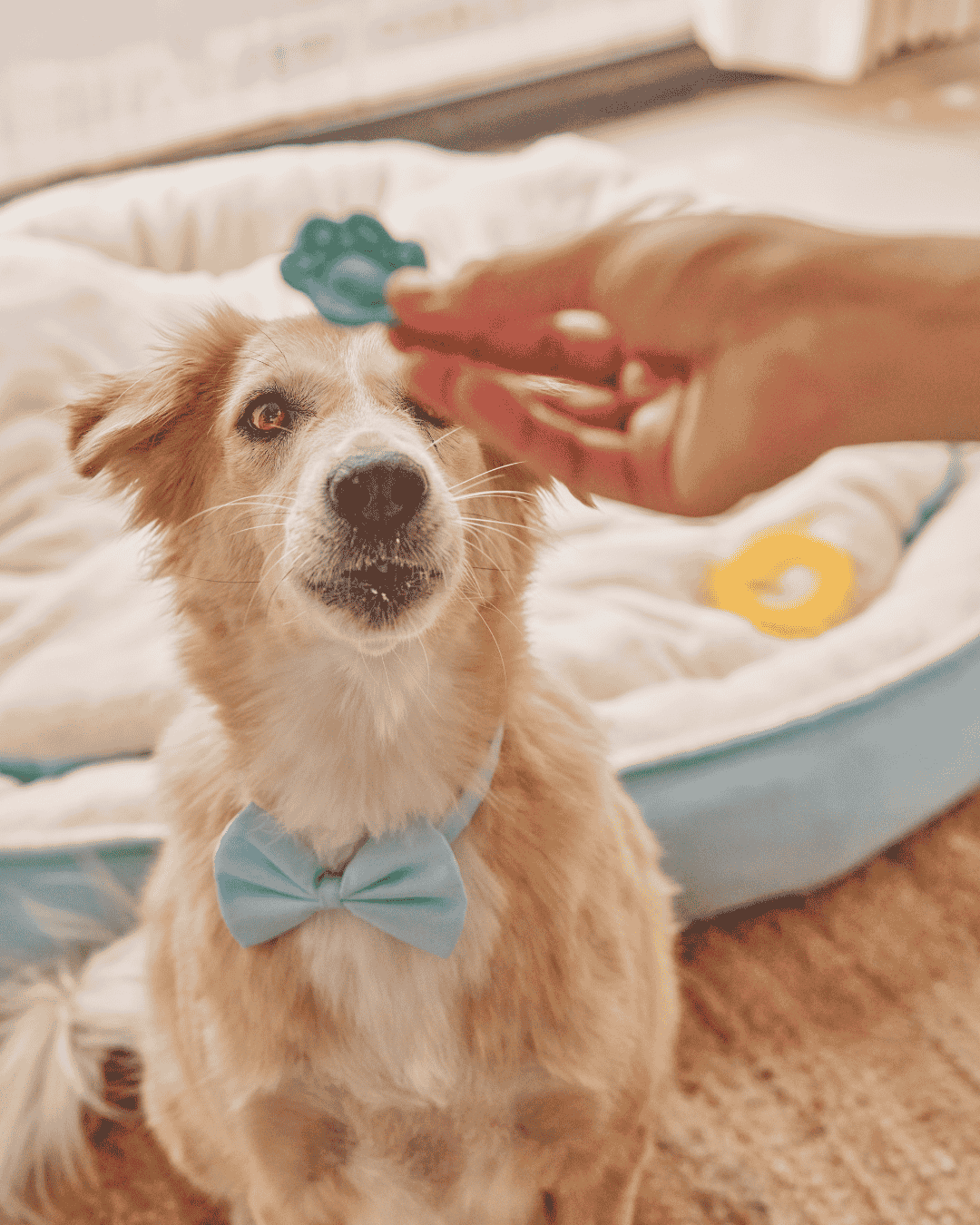
Reward-based training is one of the most effective dog training methods. Use treats, praise, toys, or affection when your dog performs the desired behavior. Positive reinforcement strengthens learning and builds confidence.
3. Be Consistent
Consistency is crucial. Use the same commands and tone of voice. If you allow jumping sometimes but not others, your dog will become confused. Clear communication leads to faster results.
4. Keep Training Sessions Short
Dogs, especially puppies, have short attention spans. Keep sessions between 5–15 minutes. Short, frequent sessions are more effective than long, exhausting ones.
5. Focus on Basic Commands First
Start with essential obedience commands:
- Sit
- Stay
- Come
- Down
- Leave it
- Heel
These foundational skills improve overall dog obedience and control.
6. Socialize Your Dog
Expose your dog gradually to new environments, sounds, and people. Controlled socialization prevents fear-based aggression and anxiety later in life.
7. Crate Training Can Help
Crate training provides a safe space for your dog and assists with house training. When used correctly, it reduces separation anxiety and destructive behaviors.
Do’s and Don’ts of Dog Training
Understanding what to do ,and what to avoid ,makes a huge difference in your dog training success.
✅ Do’s
1. Do reward good behavior immediately
Timing matters. Reward within seconds so your dog associates the action with the praise.
2. Do stay patient
Every dog learns at a different pace. Patience prevents frustration and strengthens your bond.
3. Do use clear, simple commands
Use one-word cues like “Sit” instead of long phrases.
4. Do train in a distraction-free environment first
Start indoors before moving to busy parks or streets.
5. Do end sessions on a positive note
Finish with a command your dog knows well to build confidence.
❌ Don’ts
1. Don’t use physical punishment
Harsh discipline damages trust and can cause fear or aggression. Avoid shock collars or yelling.
2. Don’t be inconsistent
Mixed signals slow progress and confuse your dog.
3. Don’t expect overnight results
Dog training takes time. Consistency over weeks leads to long-term behavior change.
4. Don’t ignore unwanted behavior
Address issues early before they become habits.
5. Don’t compare your dog to others
Each dog has a unique temperament and learning speed.
Advanced Dog Training Strategies
Once your dog masters basic obedience, you can move to advanced training techniques:
- Leash training for better walks
- Clicker training for precise communication
- Agility training for physical and mental exercise
- Advanced recall training
Advanced training improves discipline, boosts confidence, and strengthens engagement.
Consult a Dog Trainer or Attend a Training Class
If you’re facing persistent behavioral issues or need guidance, consider working with a professional dog trainer or enrolling in a dog training class.
Professional guidance can help with:
- Aggression problems
- Separation anxiety
- Advanced obedience training
- Socialization challenges
Final Thoughts
Dog training is an important part of responsible pet ownership. It encourages good behavior, improves safety, builds confidence, and strengthens the bond between you and your furry companion.
With consistency, patience, and positive reinforcement, you can teach essential commands, manage unwanted behaviors, and develop healthy habits. Regular training helps your dog become a well-mannered, confident, and happy companion, while creating a lifelong relationship built on trust, communication, and understanding.
🐾 From Puppy Training to Cat Wellness – Pups & Kits Has You Covered!
201/10/3/2, B/95, Survey Park Road, Survey Park, Santoshpur, Kolkata – 7000
Phone: 89105 34300
www.pupsnkitspethospital.com