


By Pups & Kits Pet Hospital
Canine distemper is one of the most dangerous viral infections affecting dogs worldwide. Despite being preventable, many pet owners still lose their pets due to lack of awareness about distemper in dogs. At Pups & Kits Pet Hospital, we frequently treat cases where early symptoms are ignored, leading to severe complications. This comprehensive guide explains everything you need to know about canine distemper, from symptoms to prevention.
What is Distemper in Dogs?
Canine distemper is a serious viral infection in dogs caused by the highly contagious canine distemper virus (CDV). This virus attacks multiple organs, including the lungs, stomach, intestines, and brain. It weakens the immune system, making dogs more vulnerable to other infections.
The disease is especially dangerous because it progresses in stages and can affect different systems of the body at different times.
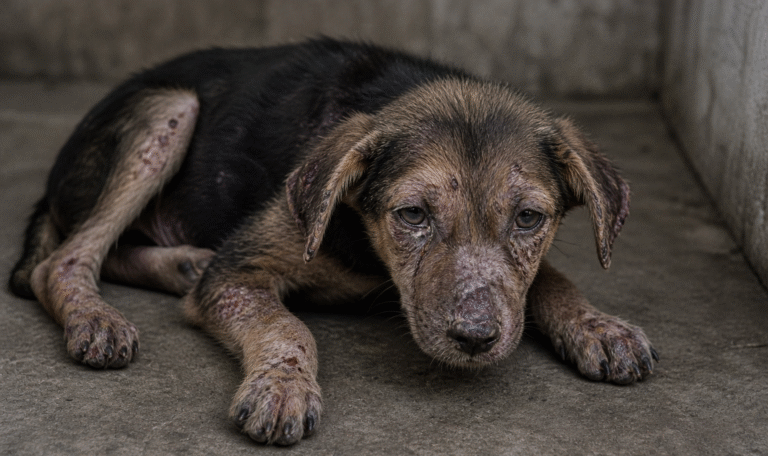
How Does Canine Distemper Spread?
Understanding how canine distemper spreads is essential for prevention. The virus spreads through:
-
- Airborne droplets from coughing and sneezing
-
- Direct contact with infected dogs
-
- Shared food bowls, water, or bedding
-
- Contaminated environments such as kennels or parks
Even indirect exposure can lead to infection, especially in puppies or unvaccinated dogs.
Early Symptoms of Distemper in Dogs
The early symptoms of distemper in dogs are often mild and easily overlooked. These include:
-
- Fever
-
- Watery eyes (ocular discharge)
-
- Runny nose
-
- Loss of appetite
-
- Lethargy and weakness
At this stage, many pet owners confuse distemper with common cold or minor infection, delaying treatment.
Advanced Symptoms of Canine Distemper
As the infection increase, more serious symptoms appear:
-
- Persistent coughing
-
- Vomiting and diarrhea
-
- Thick discharge from eyes and nose
-
- Dehydration
-
- Weight loss
These symptoms indicate that the virus is affecting multiple systems in the body.
Neurological Symptoms (Critical Stage)
In severe cases, distemper in dogs affects the nervous system. This is the most dangerous stage and may include:
-
- Seizures
-
- Muscle twitching (commonly called chewing gum fits)
-
- Loss of coordination
-
- Paralysis
-
- Behavioral changes
Neurological symptoms significantly reduce survival chances and require immediate veterinary intervention.
Causes and Risk Factors
The primary cause of canine distemper is exposure to the virus. However, several risk factors increase susceptibility:
-
- Lack of pet vaccination
-
- Weak immune system
-
- Young puppies (below 6 months)
-
- Exposure to stray or infected animals
-
- Poor hygiene and sanitation
At Pups & Kits Pet Hospital, unvaccinated pets are the most common victims of this disease.
How is Distemper Diagnosed?
Diagnosing distemper in dogs requires clinical evaluation and laboratory testing. At Pups & Kits Pet Hospital in Kolkata, we operate:
-
- Physical examination
-
- PCR testing for virus detection
-
- Observation of neurological signs
Early diagnosis plays a crucial role in improving recovery chances.
Treatment for Distemper in Dogs
There is currently no specific cure for canine distemper, but supportive treatment can help manage symptoms and improve survival.
Treatment includes:
-
- IV fluids to prevent dehydration
-
- Antibiotics to control secondary infections
-
- Anti-seizure medications
-
- Immune system support
-
- Nutritional therapy
Our veterinary team at Pups & Kits Pet Hospital focuses on stabilizing the dog and providing continuous care.
Prevention: Best Way to Protect Your Dog
Prevention is the most effective approach against distemper in dogs.
✔ Key preventive measures:
-
- Follow a complete dog vaccination schedule
-
- Keep puppies away from infected or stray dogs
-
- Maintain proper hygiene
-
- Schedule regular veterinary checkups
Vaccination is highly effective in preventing canine distemper infection.
Vaccination Schedule for Distemper
A proper pet vaccination schedule is essential:
-
- First dose: 6–8 weeks
-
- Booster doses: every 3–4 weeks until 16 weeks
-
- Annual boosters
At Pups & Kits Pet Hospital, we ensure your pet receives timely vaccinations for complete protection.
Is Distemper Contagious?
Yes, distemper in dogs is highly contagious among animals. It spreads easily in:
-
- Multi-dog households
-
- Animal shelters
-
- Pet boarding facilities
However, it does not spread to humans, making it safe for pet owners.
Recovery and Prognosis
Recovery depends on:
-
- Stage of infection
-
- Dog’s immune strength
-
- Speed of treatment
Dogs treated early have higher survival rates. However, dogs with neurological symptoms may face long-term complications.
Long-Term Effects of Distemper
Even after recovery, dogs may suffer from:
-
- Permanent neurological damage
-
- Weak immune system
-
- Hardening of paw pads (hard pad disease)
-
- Dental issues
Regular follow-ups at Pups & Kits Pet Hospital help manage these complications effectively.
Home Care Tips for Recovery
If your dog is recovering from distemper, proper home care is essential:
-
- Keep your pet warm and comfortable
-
- Provide soft, nutritious food
-
- Ensure hydration
-
- Administer medications as prescribed
-
- Avoid exposure to other animals
Supportive care at home plays a major role in recovery.
Why Choose Pups & Kits Pet Hospital?
At Pups & Kits Pet Hospital, we provide:
-
- Advanced diagnostic facilities
-
- Emergency veterinary care
-
- Complete vaccination services
-
- Compassionate pet handling
Our goal is to ensure your pet stays healthy and protected from life-threatening diseases like distemper.
Final Thoughts
In dogs, Distemper is a serious disease but it is also a preventable disease. Early detection, awareness, and proper vaccination can save your pet’s life and increase their life span. As a responsible pet owner, one must not ignore symptoms and always follow a vaccination schedule.
If you suspect your dog may have distemper, visit Pups & Kits Pet Hospital without delay for expert diagnosis, treatment, and compassionate veterinary care. We proudly serve pet families in Kasba, Science City, Survey Park, Ajaynagar, and nearby areas, offering comprehensive veterinary care to keep your beloved companions healthy, happy, and protected.